
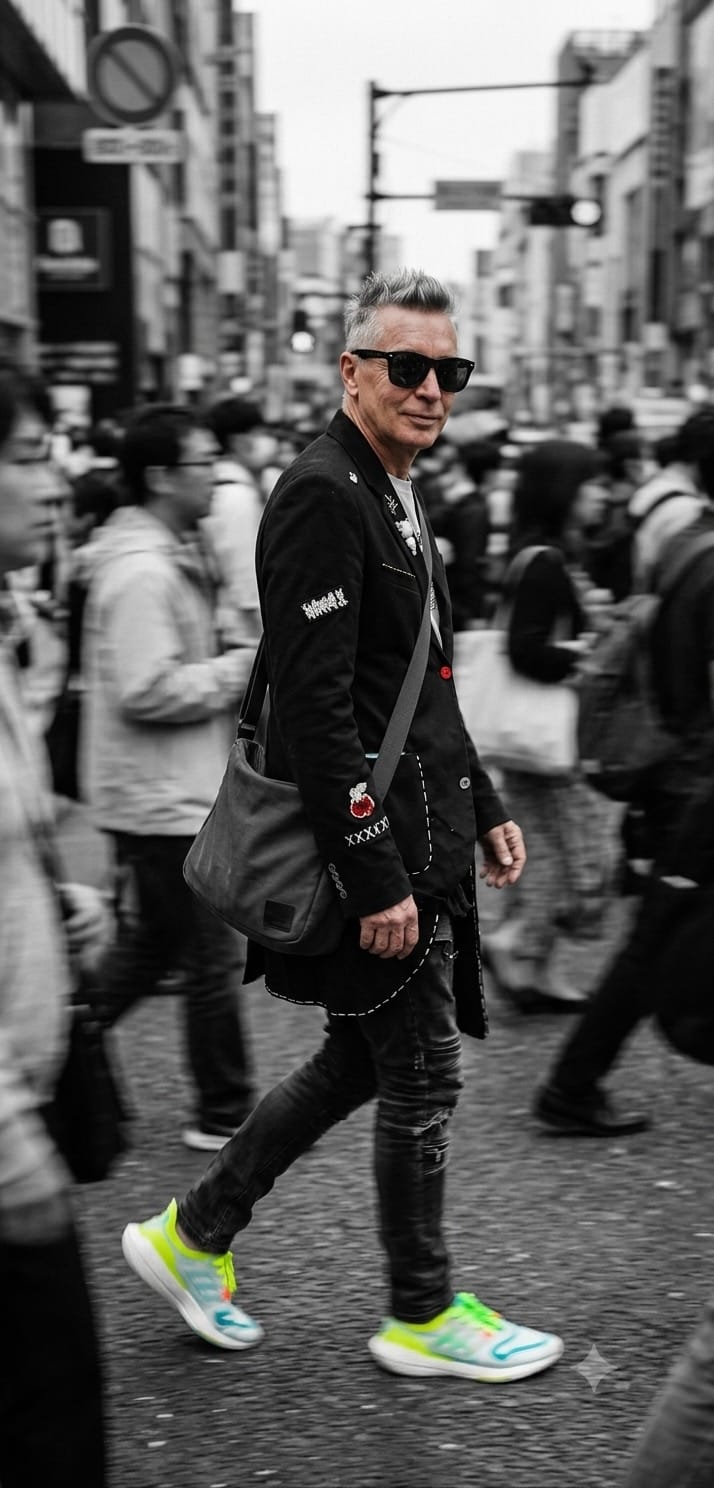
Borna Libertines discusses his album 120h to Tokyo in Interview with Magnetic Magazin, shaped by a six-month stay in Japan and released on July 1, 2026. He says Tokyo’s movement, nightlife, galleries, and jazz culture gave him the material for a record that blends hard techno, acid bass, live sax, and melodic detail.
He explains that the album follows a countdown from arrival to departure, inspired by a text noting 120 hours left before leaving. Libertines describes the record as his most cohesive release, with each track connected as part of a single arc.
Borna Libertines On The Six-Month Stay Behind 120h to Tokyo
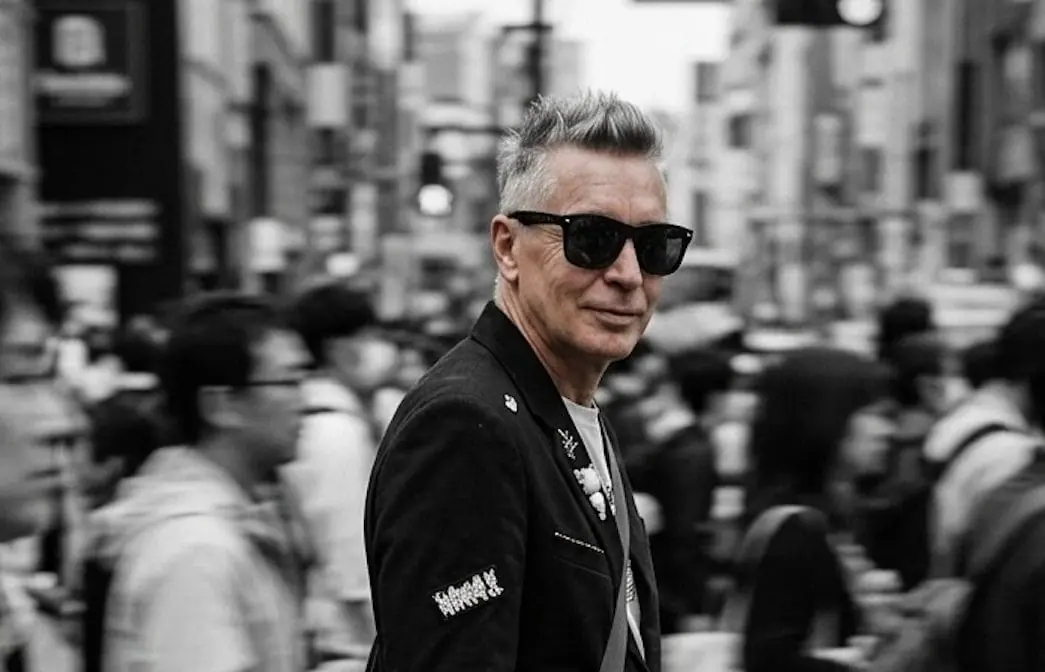
Borna Libertines’(@borna_libertines) 120h to Tokyo plays like a record built from movement: airport arrival, train platforms, convenience-store loops, jazz bars, izakaya nights, small techno rooms, and the strange emotional compression that happens when a city only fully reveals itself once you know you have to leave. Released back on July 1, 2026, the eight-track album moves across hard techno, peaktime pressure, acid bass, live sax, and jazz-coded melodic detail while keeping its focus on one place.
The New York-based mixed-media collage artist and underground techno producer did not approach Tokyo as a quick stopover. After years split between Mexico City and New York, then time back home in Croatia, he landed in Japan with the explicit goal of staying as long as possible.
The trip stretched into six months, and the record came from what he absorbed there: the quiet inside the density, the vertical nightlife, the design language, the manga and anime references, the galleries in Harajuku and Omotesando, and the collision between Tokyo’s jazz history and its small-room techno culture.
That gives 120h to Tokyo a clear narrative device.
The title came from a text near the end of the stay, when a friend reminded him there were only 120 hours left before departure. Borna turned that countdown into the album’s structure, sequencing the record from arrival to exit. In the interview below, he talks about why Tokyo pulled him in, how the city’s pace shaped the music, and why this is the first release in which every track genuinely speaks to the others.
Interview With Borna Libertines
What first brought you to Tokyo, and what was it about the city that turned the trip into a six-month stay?
I’d been splitting time between Mexico City and New York for about four years when I went home to Croatia that summer to see family.
The plan was to head back to NYC afterward, but something in me had grown tired of Western thinking, and of what felt like the inauthenticity around me. When I actually thought about where I wanted to be, Tokyo came to mind, precisely because it doesn’t run on that framework.
I landed with one goal: stay as long as I possibly could. The hospitality I met at every turn made that easy to justify.
When did you realize Tokyo had given you enough material, ideas, and emotion to carry an entire album?
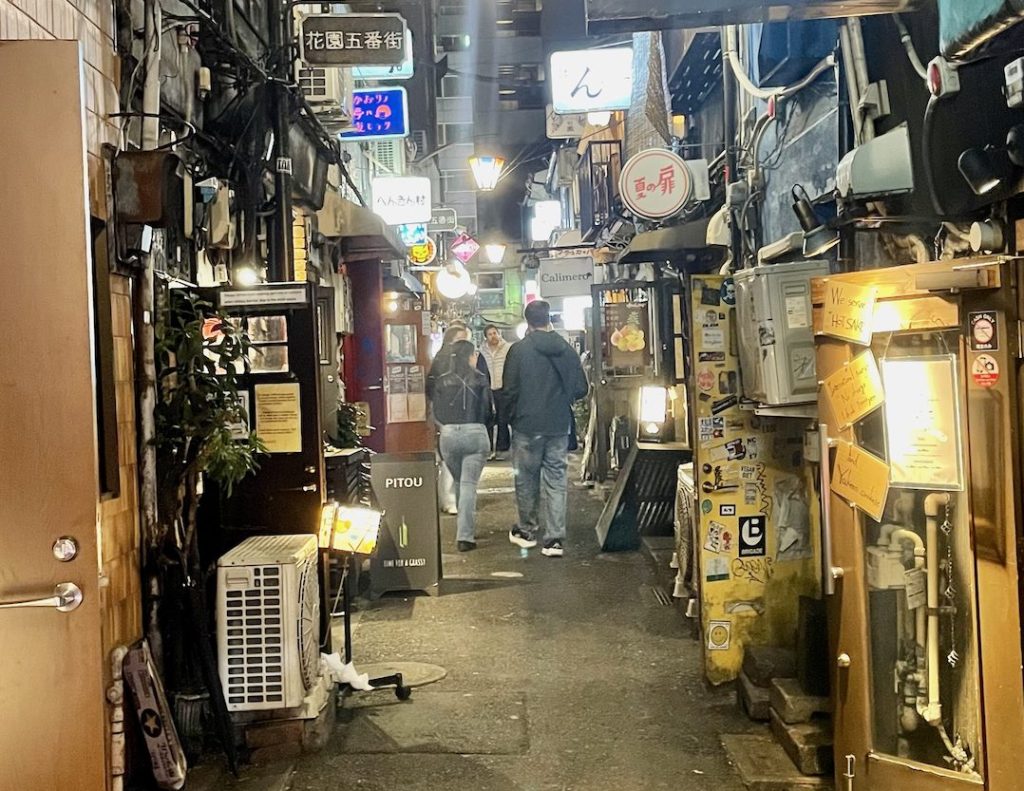
Somewhere in the walking. The city sounds like nothing else: street crossings, subway announcements, convenience store jingles, crowds, and for how loud it seems on paper, it’s remarkably quiet in practice. There are over a hundred jazz bars in Tokyo, which connect to “Tokyo Freedom” and “Dancing With Tokyo,” most stacked floor to ceiling with vinyl, sitting blocks from small techno clubs. There’s also an art scene that opened up to me.
A few galleries in Harajuku and Omotesando, Joint Harajuku, tHE GALLERY Harajuku, and tHE GALLERY OMOTESANDO, took me in and introduced me to other artists and a community.
Add a design language and an infrastructure that doesn’t resemble anything in the West, and at some point it stopped being “material” and started being the album. And I forgot to mention manga and anime.
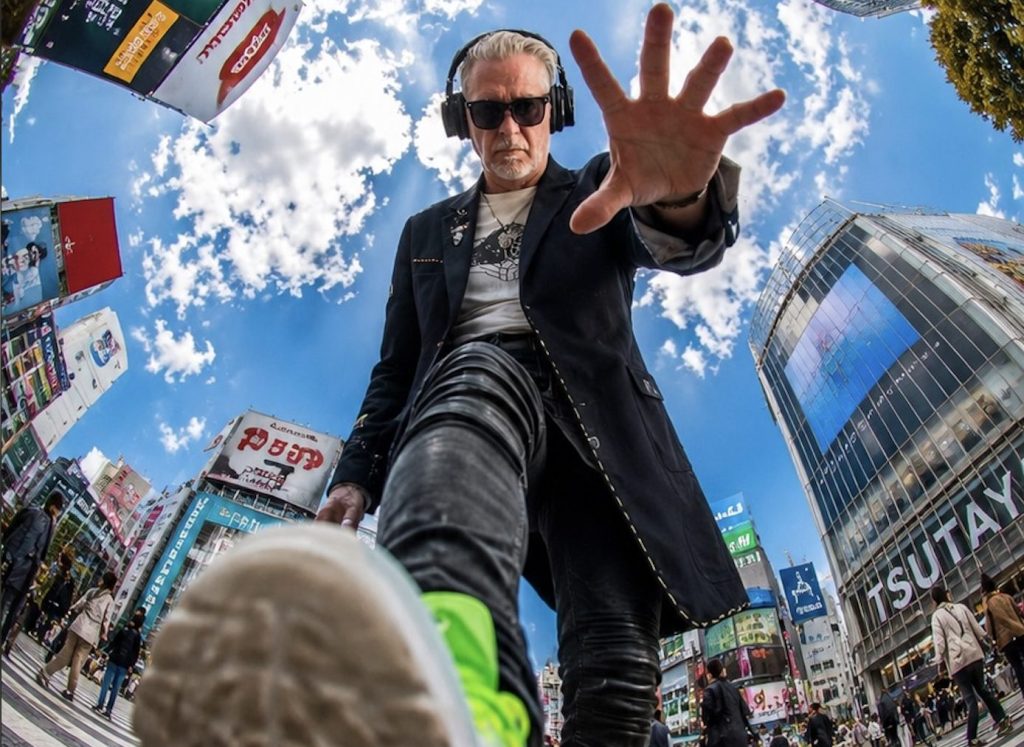
Where did the title 120h to Tokyo come from, and what does it say about your experience of the city?
It came from the end, not the beginning. I was in the last stretch of the stay, counting down the hours before I had to leave, and a friend texted me: “120h left.” That countdown became the record’s structure.
The whole album is sequenced from arrival to departure: “120h to Tokyo” is the journey to Tokyo, that excitement before arrival; “This is Tokyo” is first contact, train stations, crossings, convenience stores, crowds; “Night Over Tokyo” moves into piano, rolling bass, the slow build into an izakaya night, jazz bars, and small techno clubs; “Tokyo Freedom” is rolling bass and discovering Tokyo’s jazz history; “Dancing With Tokyo” is live sax, jazz-to-techno crossover, and Tokyo’s jazz bar history; “Tokyo Shunshin Desu” puts live sax over acid bass; “Tokyo Right Now Tokyo Right Here” is techno, acid bass, and presence over memory; and “This is Tokyo Extended” is the arrival, given room to close the record.
How did Tokyo’s nightlife influence the pacing of the record, especially when you sat down to translate those nights into music?
“This is Tokyo Extended” is where I tried to put all of it in one place.
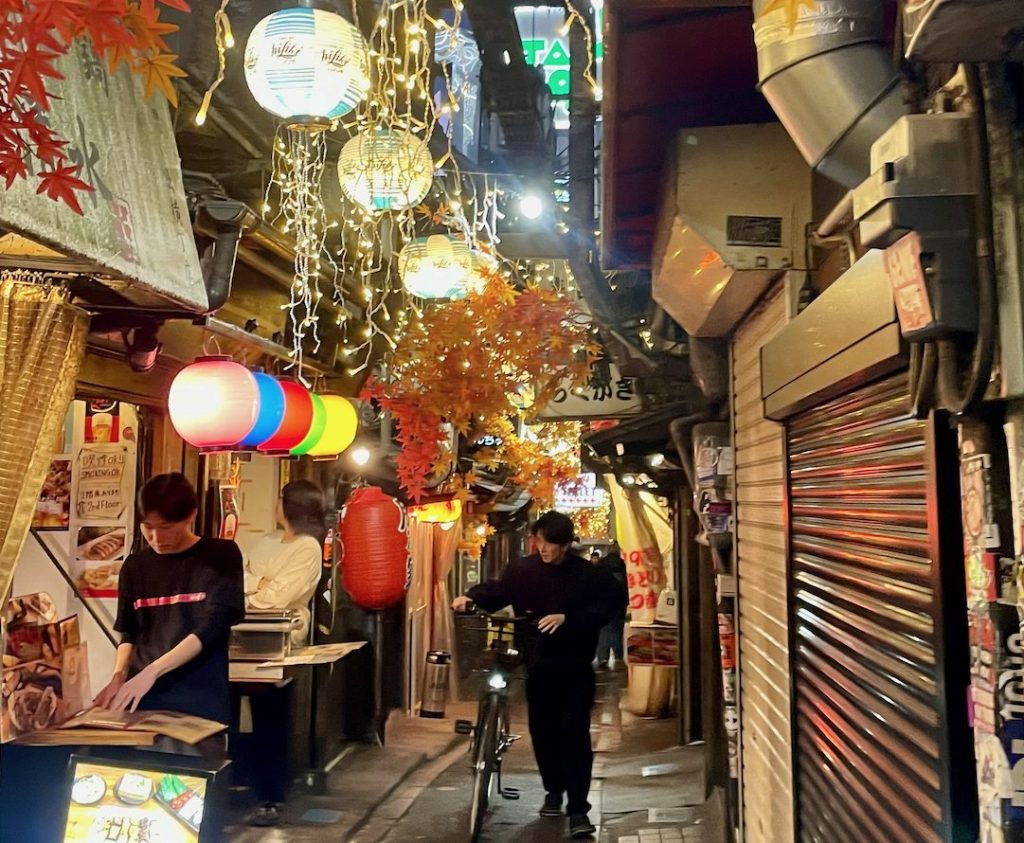
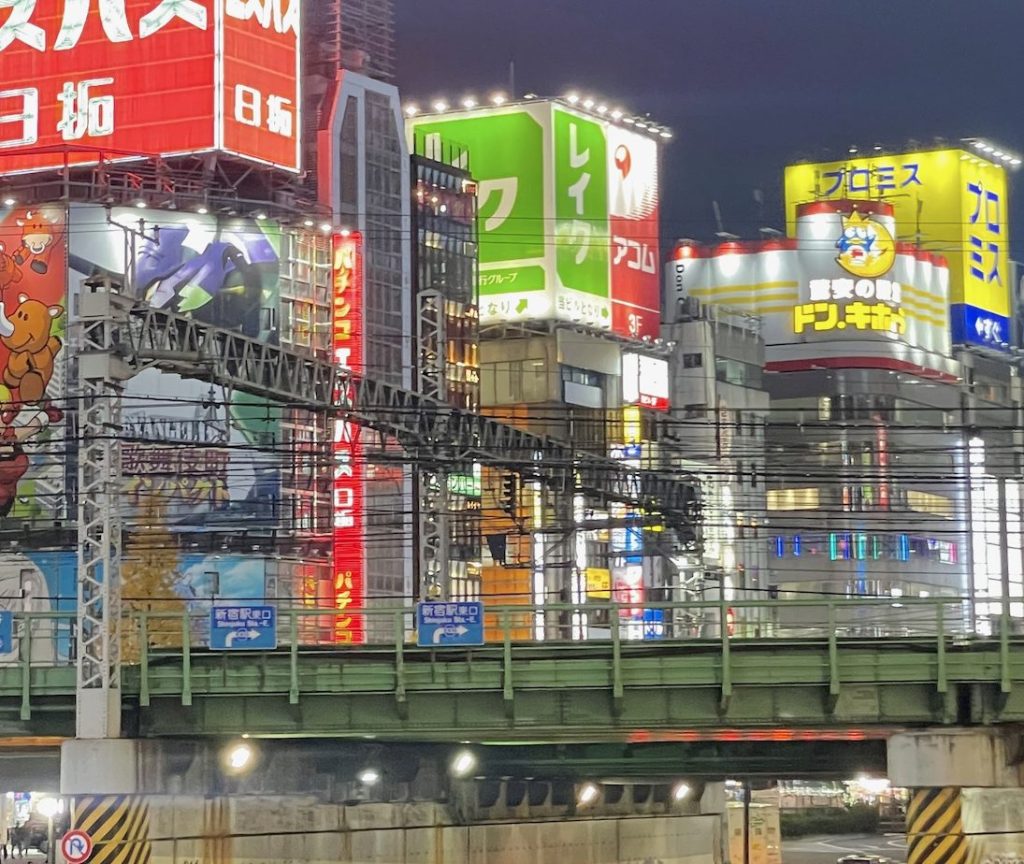
Walking at night through Shinjuku, Shibuya, even Jimbocho, you’re already moving at 140 BPM. The neon, the ads, the bars, it kicks like a 4/4 techno pulse before you’ve touched a single instrument. Tokyo is also vertical in a way most cities aren’t: a bar on the fourth floor, a gallery on the 42nd. So you can spend an entire night in one building, moving up through it the way a track moves through its drops and builds.
Clubs run until 9 a.m. on weekends, so the pacing isn’t really a choice I made. It’s the pacing the city already has.
Was there one track that took longer to figure out, and what finally helped you understand what it needed to become?
“Night Over Tokyo.” I had the melody and the piano roll early and loved them, but I didn’t want to let them resolve.
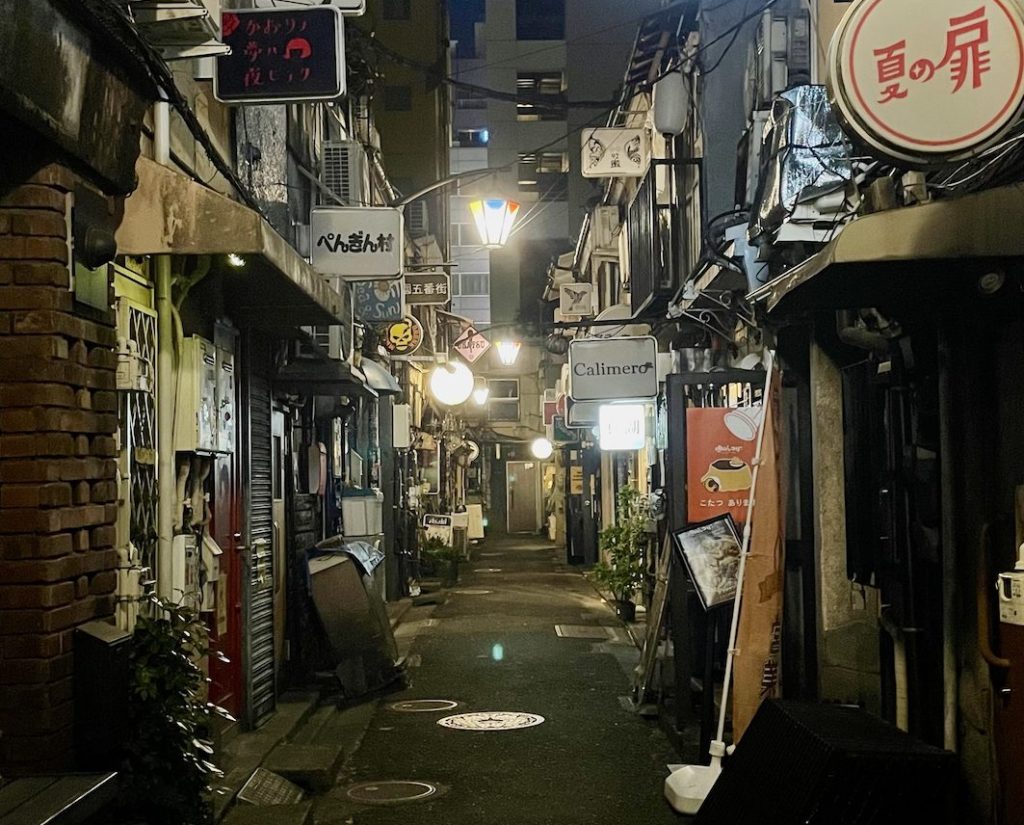
I wanted them to keep carrying forward. Adding the TB-303 and a rolling kick and hi-hats let me stretch it into something that traces an actual night out: the slow start at an izakaya, the subway ride, arriving at a club where the melody is what pulls you through the city.
What does 120h to Tokyo reveal about you as an artist that listeners wouldn’t have heard in your earlier releases?
Cohesion. This is the first time every song genuinely speaks to the others. You can hear one track inside another, and the record moves as a single arc rather than a collection. That’s new for me.
Closing Thoughts
The most convincing part of Borna Libertines’ explanation is that Tokyo does not appear as a moodboard.
It appears as a system of motion. Train stations, crossings, jazz bars, subway rides, galleries, convenience-store sounds, late-night buildings, and 9 a.m. club exits all become part of the sequencing. That is why the countdown idea works. 120h to Tokyo is less concerned with presenting a postcard version of the city and more interested in what happens when time starts running out, and every detail becomes easier to hear.
That places the record near our interview with Ken Ishii on Syntax Error, exposure, and staying focused across 30 years in techno. Ishii’s perspective came from inside Japanese techno history, while Borna is approaching Tokyo as an outsider whose stay became long enough to alter the record’s entire shape. The link between the two pieces is discipline. Both suggest that techno becomes more interesting when it responds to place without reducing place to decoration.
There is also a line to our Eli Brown interview on techno, tension, and why genre means less in the booth. Borna is working in a harder, more peaktime register here, but the deeper point is similar: the record is organized around movement, pressure, and how energy changes once the room starts pulling it forward.
His description of Tokyo already moving at 140 BPM before he touches an instrument says a lot about how he hears the city. The tempo is not only a production decision. It is a way of translating the pace around him.
That is where 120h to Tokyo feels like a real step for him.
Borna says the word himself: cohesion. The record has individual club moments, but it is built to move as one piece, with jazz history, acid bass, live sax, hard techno pressure, and arrival-departure pacing feeding back into each other. The result is a city album that does not ask Tokyo to stand still. It follows the city while it moves, then uses the last 120 hours to make the motion feel finite.
Leave a Reply