
Shibui Aesthetic: The Quiet Depth of Japanese Design and Art
Shibui is a foundational concept in Japanese aesthetics, expressing a refined beauty rooted in subtlety, restraint, and depth that reveals itself over time.
What Is Shibui?
Shibui (渋い) is a central principle of Japanese aesthetics that describes a form of beauty that is understated, quiet, and deeply refined. Unlike overt or decorative beauty, the Shibui aesthetic reveals itself gradually through time, observation, and use. It values simplicity infused with complexity, elegance without display, and depth without excess.
Originally used to describe an astringent or bitter taste—such as strong green tea or unripe persimmons—Shibui evolved into an aesthetic term signifying mature refinement. What Shibui does not impress instantly, it rewards patience and familiarity.
Philosophical Foundations of the Shibui Aesthetic
The Shibui design philosophy developed through Zen Buddhism, the Japanese tea ceremony, and centuries of craftsmanship. These traditions emphasize mindfulness, restraint, and respect for materials. Shibui does not eliminate complexity; instead, it conceals complexity beneath an unassuming surface.
Unlike Western minimalism, which often seeks reduction until nothing remains, Shibui focuses on what is left behind—texture, material richness, tonal variation, and emotional depth. This distinction is essential when comparing Shibui vs minimalism.
Core Characteristics of Shibui
- Subtle depth revealed through time
- Muted, earthy color palettes
- Material honesty and natural aging
- Functional elegance without ornament
- Textural richness and patina
These characteristics allow Shibui objects and spaces to mature gracefully, gaining presence rather than losing relevance.
Shibui in Art and Painting
In Japanese art, Shibui is most clearly expressed through sumi-e (ink wash painting), where artists use minimal means—black ink, water, and negative space—to create atmospheric depth.
A defining example of Shibui art and painting is Hasegawa Tōhaku’sPine Trees screens, where mist, silence, and restraint evoke profound emotional presence without detailed representation.
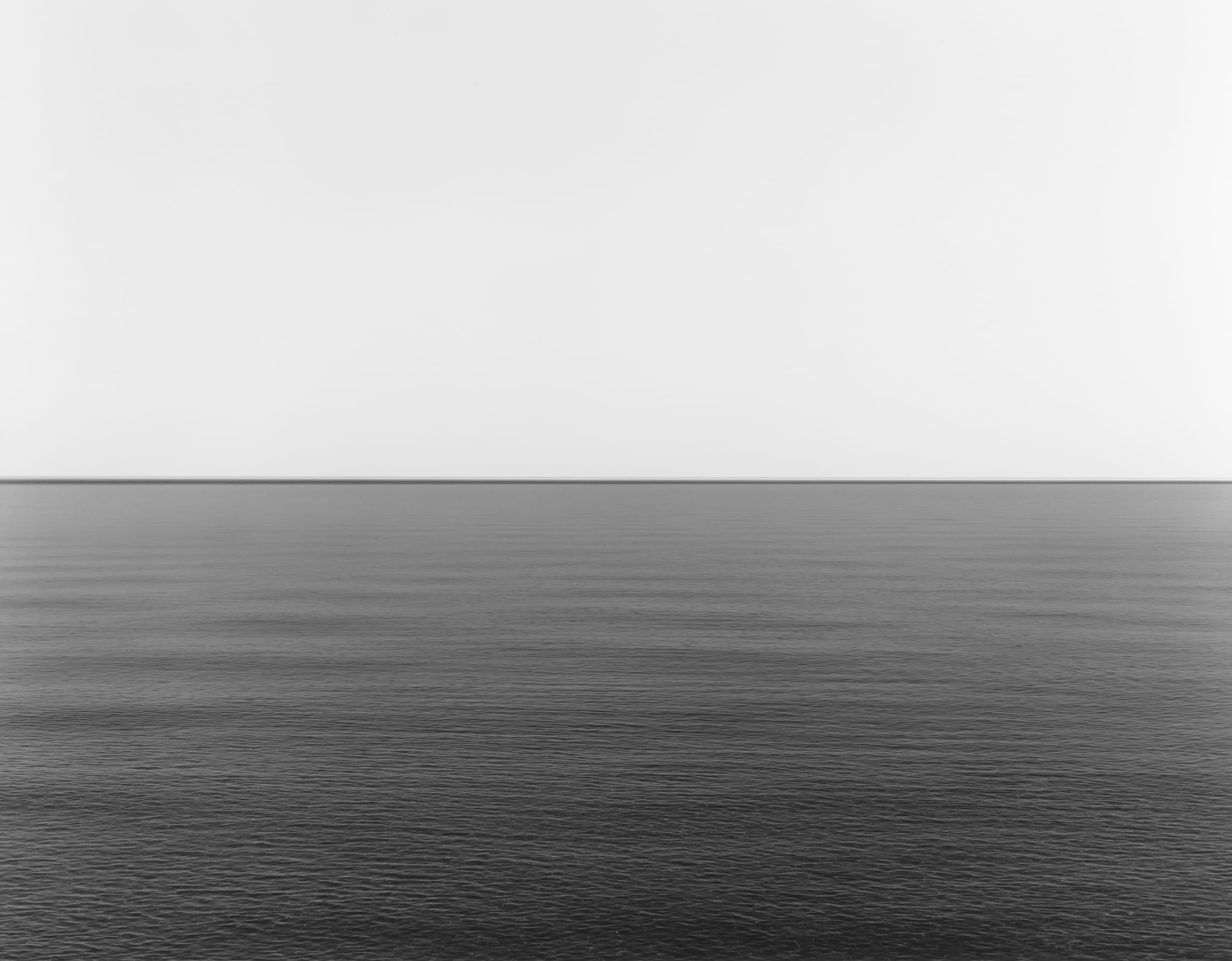
In modern contexts, photographers such as Hiroshi Sugimoto continue this tradition. His
Seascapes series reduces the image to horizon, water, and sky, creating nearly monochromatic works

Shibui in Architecture and Interior Design
Shibui architecture prioritizes material honesty and the interaction between light, shadow, and surface. Architect Tadao Ando exemplifies Shibui in modern design through the use of smooth, cast-in-place concrete that changes character throughout the day.
The beauty in Shibui architecture lies not in decoration, but in proportion, silence, and time. Similarly, contemporary architect Kengo Kuma integrates layered wood and textile-like structures to create transparency and softness while maintaining structural clarity.
Shibui interiors favor natural materials such as linen, stone, washi paper, and wood, combined with low-profile furniture and earthy neutrals. The goal is mental calm rather than visual dominance.
Shibui in Modern Product and Digital Design
In the 21st century, Shibui has become a global reference point for timeless, human-centered design. Japanese brand Muji embodies the Shibui aesthetic through unbranded, functional products designed to gain character through daily use.
Even digital interfaces reflect Shibui principles. Apple’s interface design employs muted color schemes, subtle motion, and generous negative space, creating experiences that feel refined without demanding attention.
Historical Influence and Global Reach
During the mid-20th century, Shibui entered Western design discourse, influencing Mid-Century Modern architecture and furniture. Designers and publications promoted durability, organic form, and quiet sophistication over decorative excess.
Today, Shibui continues to shape Japanese minimalist design, global branding, contemporary art, and architecture—standing as a counterbalance to spectacle-driven aesthetics.
Why the Shibui Aesthetic Matters Today
In an age of overstimulation and rapid consumption, Shibui offers an alternative vision of beauty—one grounded in patience, authenticity, and depth. It reminds us that the most enduring design does not shout. It whispers, matures, and remains.
The influence of Shibui (subtle beauty) in modern painting and design is profound, evolving from a traditional concept into a global standard for “sophisticated restraint”. Unlike western minimalism, which often seeks to strip away until nothing is left, Shibui focuses on what is left behind—the quiet depth, the richness of materials, and the beauty that reveals itself only to the patient observer.
Shibui in Modern Painting and Photography
In modern art, Shibui manifests as a rejection of “loud” or “spectacular” beauty in favor of atmospheric depth and “silvery” palettes.
Atmospheric Photography (Hiroshi Sugimoto):
Contemporary photographer Hiroshi Sugimoto’s Seascapes series is a pinnacle of modern Shibui. By using long exposures to capture the horizon where sea meets sky, he creates a nearly monochromatic, “quiet” image that initially appears simple but reveals infinite gradations of light and texture upon closer look.

The “Silvery” Color Palette:
Modern painters influenced by Shibui often “muddy” primary colors with gray tones to create a coordinated, somber scheme. Large areas are typically dark and rich, punctuated by a single “astringent” or sharp color—like a splash of deep orange on a charcoal canvas—to add a “hint of sparkle” without being flashy.
Superflat and Tradition – Takashi Murakami:
While Murakami is known for “pop” art, his Superflat movement utilizes the traditional lack of 3D perspective to create a modern aesthetic that values the “surface” as a site of deep cultural meaning, echoing Shibui’s blend of the ordinary and the profound.
Superflat is based on Japan’s long history of ‘flat’ art and is influenced by the 2D images seen in manga and anime, both of which are salient to the country’s culture and entertainment. It’s also inspired by the larger otaku subculture, which in Japan refers to people obsessed with aspects of pop culture, especially manga and anime.
Key characteristics of Superflat art include bold cartoony outlines and flat planes of color, with virtually no elements of natural perspective or depth. Murakami’s Celestial Flowers is a clear example of this. Paintings and sculptures are the most common Superflat art forms, but the movement has also influenced fashion, design and other creative mediums.

Shibui in Architecture and Interior Design
Modern Shibui architecture is defined by “material honesty”—allowing raw materials to speak for themselves rather than covering them with ornament.
* Tadao Ando and “Textured Concrete”: Ando is the master of modern architectural Shibui. He uses smooth, cast-in-place concrete that captures the “play of light and shadow”. The beauty is not in the concrete itself, but in the way the surface changes throughout the day, revealing a “quiet depth”.

* Kengo Kuma and Modern Textiles: Kuma reinterprets Shibui by blending traditional wood with modern industrial materials. His work, such as the Japan National Stadium, uses “layered textures” and rhythmic wooden slats to create a sense of “transparency and transience” that is quintessentially Shibui.
* Functional Elegance in Interiors: Shibui interiors prioritize “earthy neutrals” (taupe, sage, soft gray) and natural materials like linen, washi paper, and stone. A hallmark is the “low-profile” furniture that serves a clear purpose while blending into the environment, promoting mental calm.

Shibui in Modern Product and Digital Design
In the 21st century, Shibui has become a guiding principle for brands seeking to create a “timeless” and “human-centered” experience.
* Brand Philosophy (Muji and Apple):
* Muji embodies Shibui through “emptiness” (a concept led by designer Kenya Hara). Their products are unbranded and unadorned, designed to be “objects born, not made,” which gain beauty and character through daily use.
* Apple’s iOS design is often cited as a digital interpretation of Shibui. It uses “muted color schemes,” “subtle micro-interactions,” and plenty of “white space” to create a focused, high-quality user experience that doesn’t demand attention but rewards it.
* Graphic Design and Typography: Modern designers like Ikko Tanaka and Kenya Hara use “negative space” as an active component of their layouts. In Shibui typography, the space between the letters is considered just as important as the text itself, creating a balanced, “quietly sophisticated” visual field.
4. Historical Context: The 1960s “Shibui” Craze
In the postwar United States (1945–1965), “Shibui” became a shorthand for modernist refinement. It influenced Mid-Century Modern design, as architects like Frank Lloyd Wright and magazines like House Beautiful (1960) taught Americans how to be “Shibui with American things”—valuing durability, organic forms, and “understatedness” over the disposable consumerism of the era.